

Those Darn Tropes (And the Hero’s Journey)
Alternatively: “If the [Hero’s Journey] didn’t exist, it would be necessary to invent [it].”
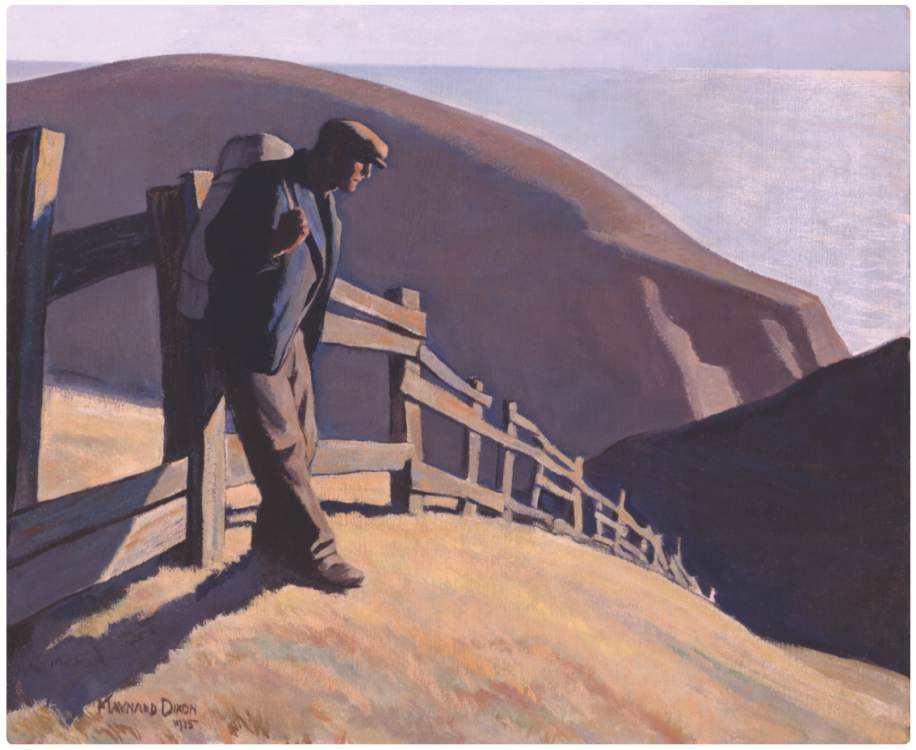
“No Place to Go” by Maynard Dixon
Since getting deeper into developmental editing, I’ve had a couple of authors tell me, “I don’t want my book to be a bunch of tropes.”
This is an idea that I think requires a bit of translation. I interpret them as saying, “I want my story to be unique. I want my story to be my own.”
Which is a worthy goal. But it seems to be driven by a notion of: "if a reader has seen the idea before, they won’t want to read the story."
Which of course isn’t true. And suddenly I find myself, more so all the time, coming to the defense of tropes, and even cliches, as just because an idea isn’t new doesn’t mean it isn’t fun.
I mean, I won't lie to you, I've composed more than one story based on ideas I didn't want to include—heck, I’m probably doing it right now — but as readers we all have favorite tropes that will make a book an insta-buy. Me, personally, I love stories about ancient sci-fi stuff, whether that's an ancient order like out of Lovecraft, or any story about waking up an ancient relic. This is The Expanse, or Revelation Space, or A Fire Upon the Deep, or ... lots of other books. I will purchase those stories specifically because of those tropes. I really don't care if I've seen it before. I care how it's implemented. There’s always creativity to be found in using an old idea in a new way. As long as it's relatively novel and in a good story, that works for me.
I’ve wondered if the trope naysayers are consuming marketing buzz spilling over from UP and romantasy books. In those genres, you can almost order your tropes so specifically that the tropes have become indistinguishable from the books' keywords: enemies to lovers; fated mates; kiss the villain, etc.
Mind you, it seems to me that the authors naysaying tropes aren’t authors who write in those genres, so … whatever.
I mean, damn, I think it’d be great to have an easier shorthand for advertising keywords. Like selecting what you want off a McDonald’s menu and bing-bang-boom, there’s your marketing. What a wonderful luxury. Those authors don’t know what wonderful delights they’re thumbing their noses at.
Marketing envy aside, all my cheerleading for tropes has got me thinking that some tropes in some genres are not just useful and fun, they may be inevitable, or even necessary. For instance, I'm writing my own fantasy series, for all intents and purposes starting with a wizard who’s young, and since the outset of this series I have wanted to avoid all likenesses to the "Hero's Journey" story structure, as I felt it was far too common.
Without saying it aloud, I’ve pretty much been espousing the same idea as my clients: “I want my story to be unique. I want my story to be my own.”
If you’re not familiar with the Hero’s Journey, the first basic steps of the Hero's Journey are these:
• The Call to Adventure: This is the moment when the hero receives a call to adventure, which could come in the form of a message, a dream, or an encounter with a mentor or guide.
• The Refusal of the Call: At this stage, the hero may initially refuse the call to adventure, often due to fear, doubt, or a sense of inadequacy.
• Meeting the Mentor: The hero encounters a mentor or guide who provides support, advice, and guidance on the journey ahead.
• Crossing the Threshold: The hero leaves behind the known world and crosses the threshold into the unknown, often encountering tests, trials, and challenges along the way.
This story is Dune, Star Wars, Harry Potter, and every plucky upstart of the past twenty years. Much like the “enemies to lovers” or “kiss the villain” tropes, it’s practically been a guide one could follow when composing a story. George Lucas, famously, did exactly that, basing the structure of Star Wars on Joseph Campbell’s book The Hero with a Thousand Faces, from which the Hero’s Journey is derived.
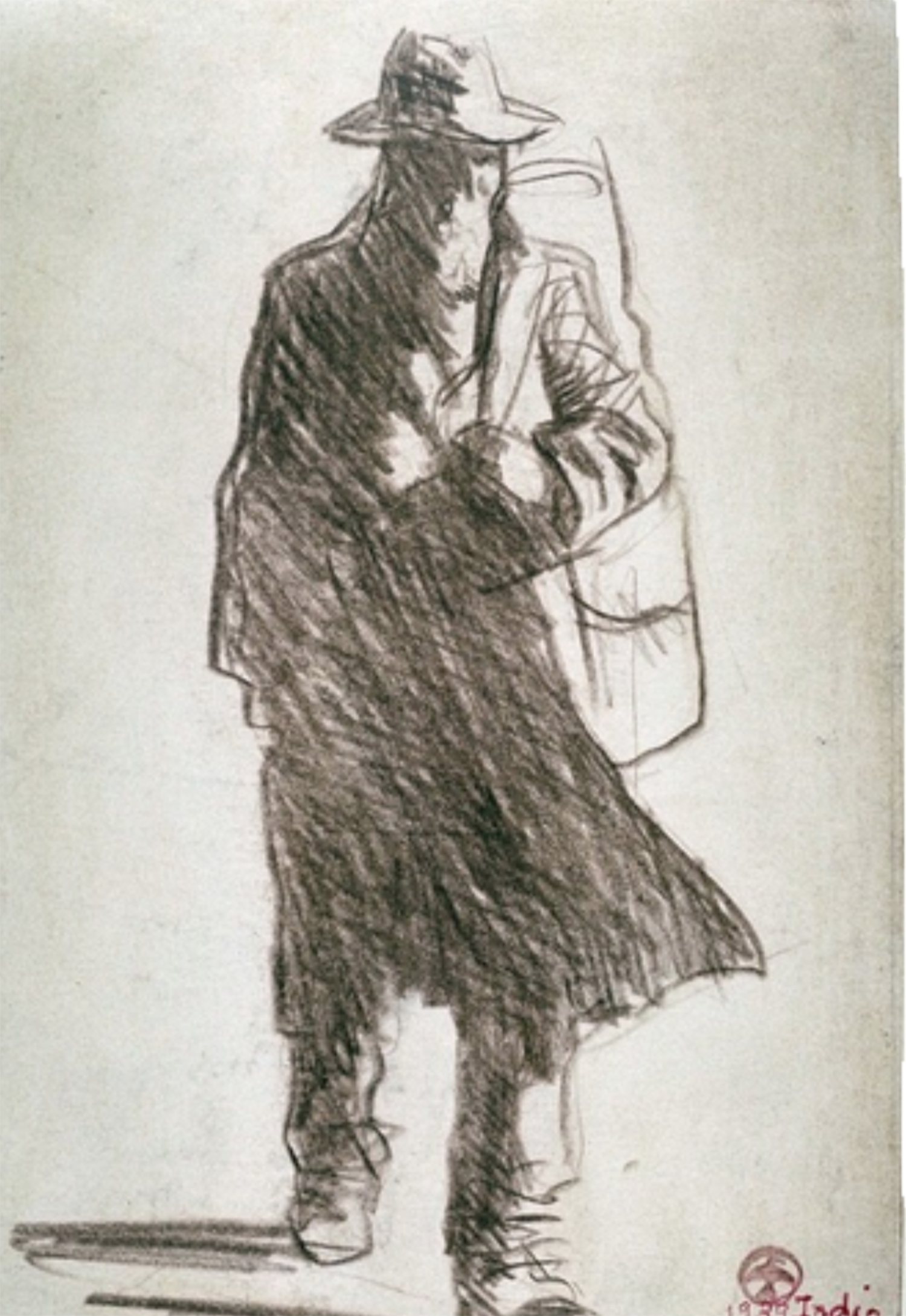
Bindle Stiff, by Maynard Dixon
Except … it seems to me that there’s a good reason this story structure pops up again and again through history and myth. The Hero’s Journey, in this genre, in some respects, may be inevitable, and may even be necessary—if you don’t want your story to be shit anyway.
When you think about it, those first two steps are just natural, practically to every adventure story:
• The Call to Adventure: Of course this exists. This is just like saying: “A story is happening.” It's like a book's basic hook or a premise. Why else does the book/myth exist?
• The Refusal of the Call: Of course a normal person would refuse the call, because they're normal. They have a life. This is just to establish that the hero is someone interesting to read about. Do you want to read about a person who's already a hero just doing their job? If a twelve-year-old kid saves their sibling from some kinda medical condition, they're a hero. If an EMT shows up and saves that same kid, that's what you expect. That's their job. Are they a hero? Maybe. But you don’t necessarily want to read a book about someone doing their job.
• Meeting the Mentor: Of course there’s usually a mentor. What's the fastest way to learn stuff? You have a teacher. And is it a more interesting story to have a teacher and have the person learn their skill in, say, six months, or a more fun story to self-learn over a period of fifteen years? So yes, they have a teacher/mentor. It's a good storytelling shortcut so the story won’t be dull.
• Crossing the Threshold: This is typically where they lose the teacher and go on their own way. And again, it rings like, "of course they do." Because if you have, say, a young character accompanying their mentor, if they run into some danger, the skilled mentor can just handle it and it wouldn't be dangerous or exciting to read about. The story is about the mentor doing their job, and not the pupil fumbling and struggling.
So, what's my point here? Well, these Hero’s Journey elements are tropes so basic in some kinds of fantasy stories that people barely see them anymore, so much so that they're expected. And of course they are. The very act of telling this kind of story almost necessitates that the Hero’s Journey exists. So no wonder it’s found everywhere around the world in mythology. They're almost essential to what certain kinds of stories are. In fact, it seems to me that these tropes, and many tropes like them, are unavoidable parts of storytelling, and in many ways simply natural facets of being human.